I went to a real science lab and honestly??
Images courtesy: Mauritius Oceanography Institute (MOI)
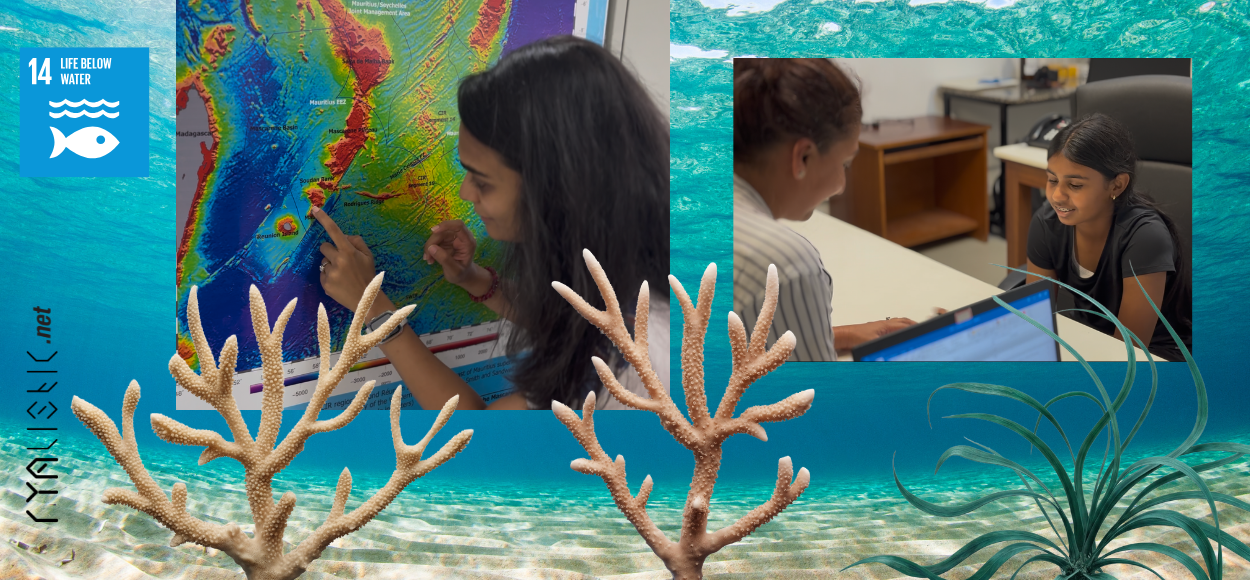
Okay, so I don't even know where to start. On Tuesday 7 April 2026, I visited the Mauritius Oceanography Institute (MOI) at Albion and I genuinely felt like I had walked into a movie. Scientists in labs, microscopes everywhere, jars with preserved sea creatures just sitting there on shelves. I was not prepared.
I want to tell you everything, but I'll try not to ramble (no promises). Buckle up.
Wait — they already knew about my idea??
Okay, so this is the part that got me the most. You know how I've always said that Mauritius looks like it could have been more circular? Like, there's something a little off about the western side? I've said this to people before and they just look at me like I have three heads.
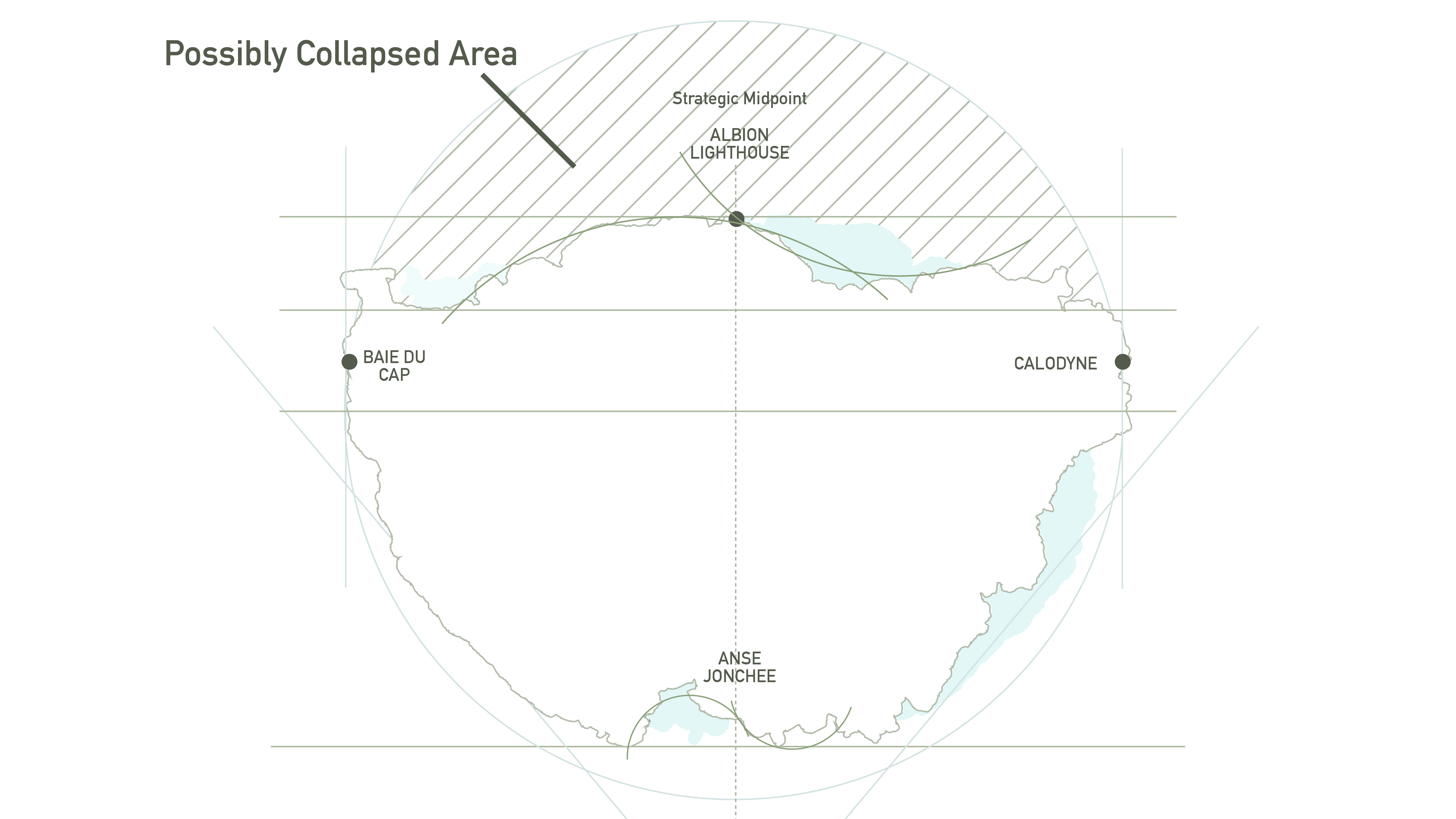
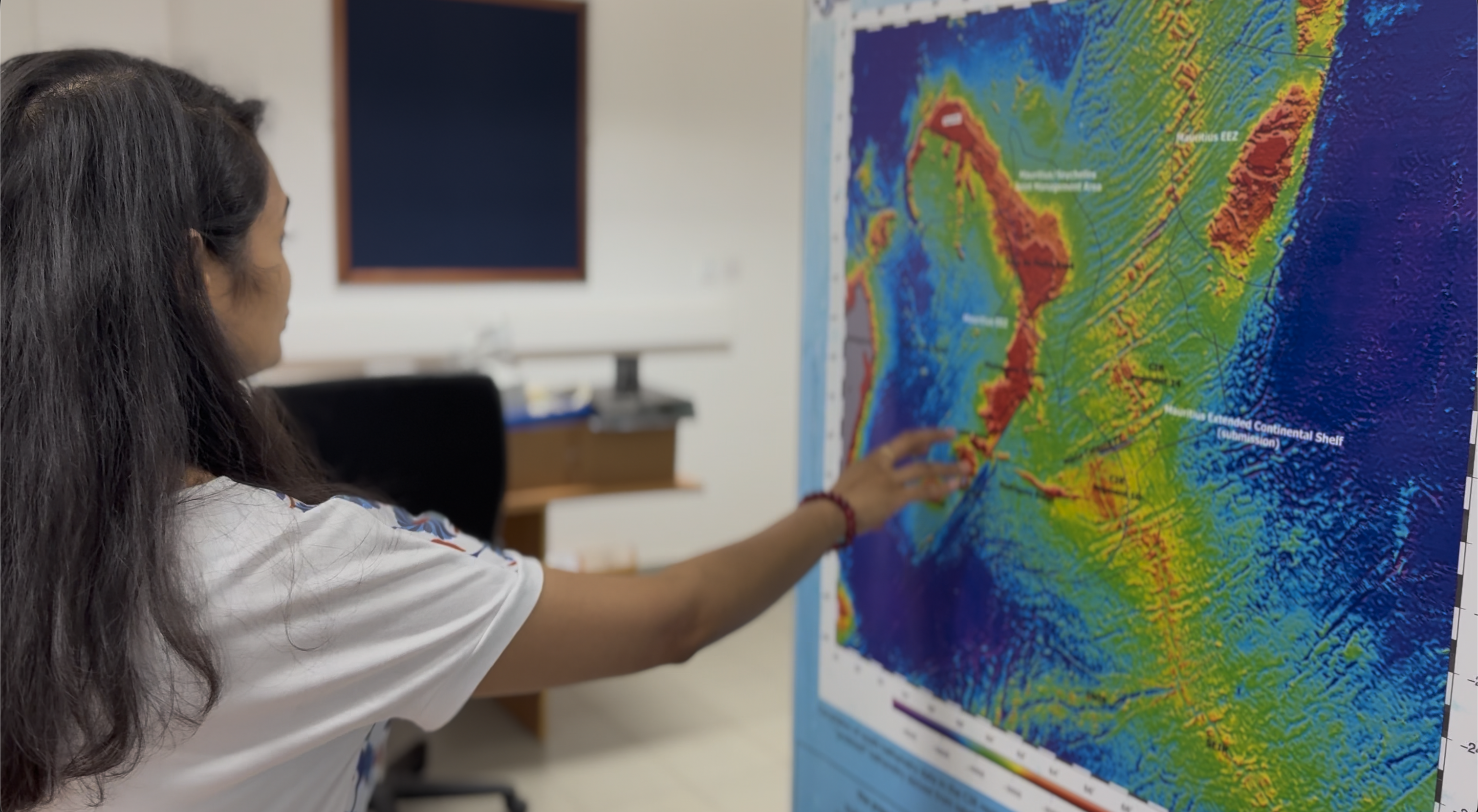
I met Mrs. Rohinee Bhiwajee, Associate Research Scientist at MOI who told me that scientists actually believe the western side of Mauritius may have collapsed underwater a long time ago — and that research on this has genuinely been done.
Like, I had this thought as a random kid looking at a map. And actual scientists are studying it. I don't know what to do with that information, honestly.
Regarding marine life, she explained that scientists place underwater sound recorders in the ocean to identify which marine animals are nearby. Every animal makes its own sound — so you can figure out which species are around just by listening. They're planning to go 30 metres deep to record sperm whales.
(Side note: tiny microscopic creatures called Foraminifera are supposed to be everywhere in beach sand. But scientists found their numbers have dropped to less than 30% of what they should be, possibly because of ocean acidification and pollution. We're losing things we can't even see, and that matters.)
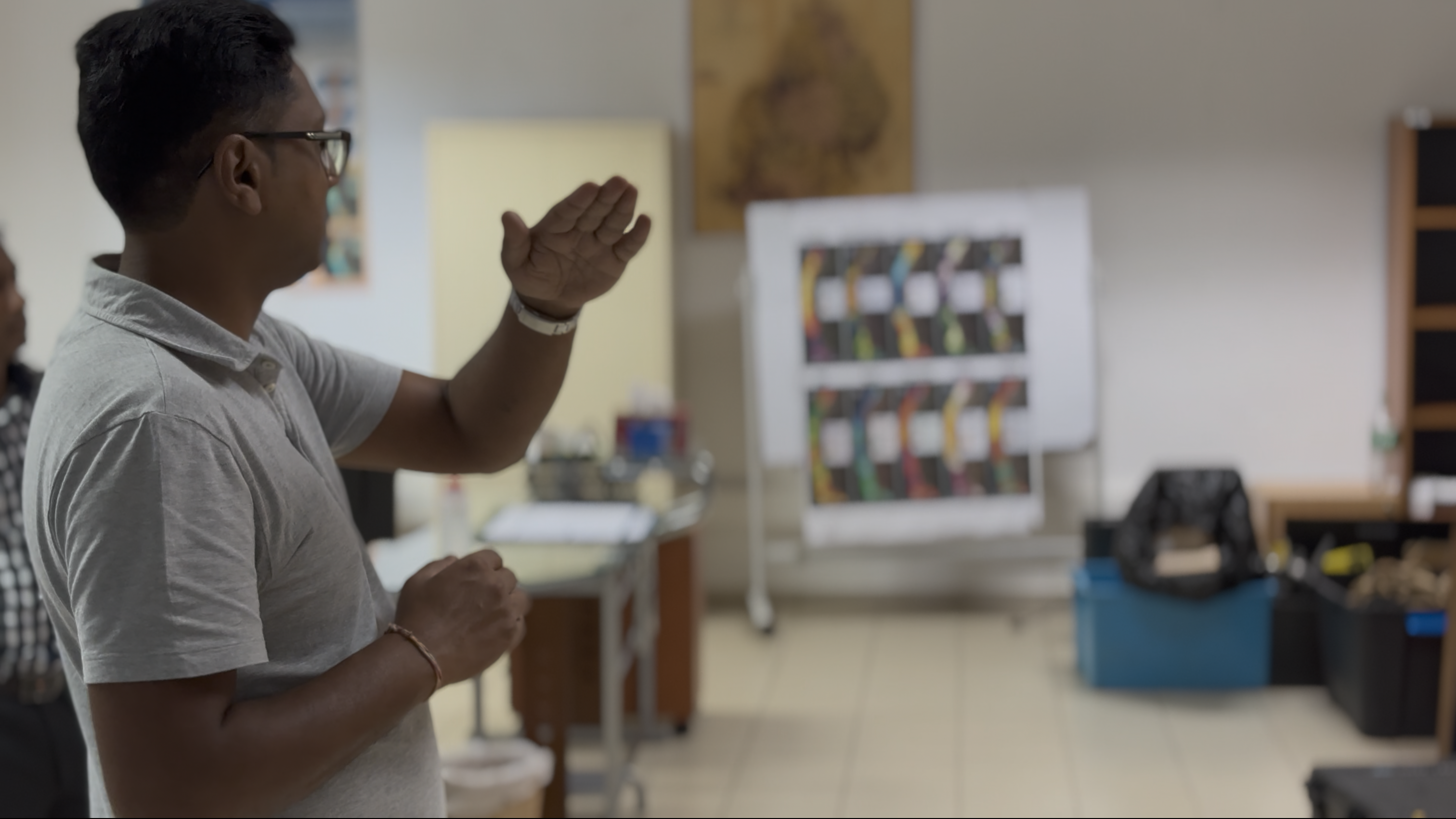
The ocean can make electricity. No seriously!
Mr. Oomarsing Gooroochurn, Research Scientist, showed me this buoy — a floating device you put in the sea. When waves push it up and down, the movement forces air through the device and that air generates electricity. It's clean energy, completely from the ocean. In the future, devices like this could help Mauritius stop relying so much on fossil fuels.
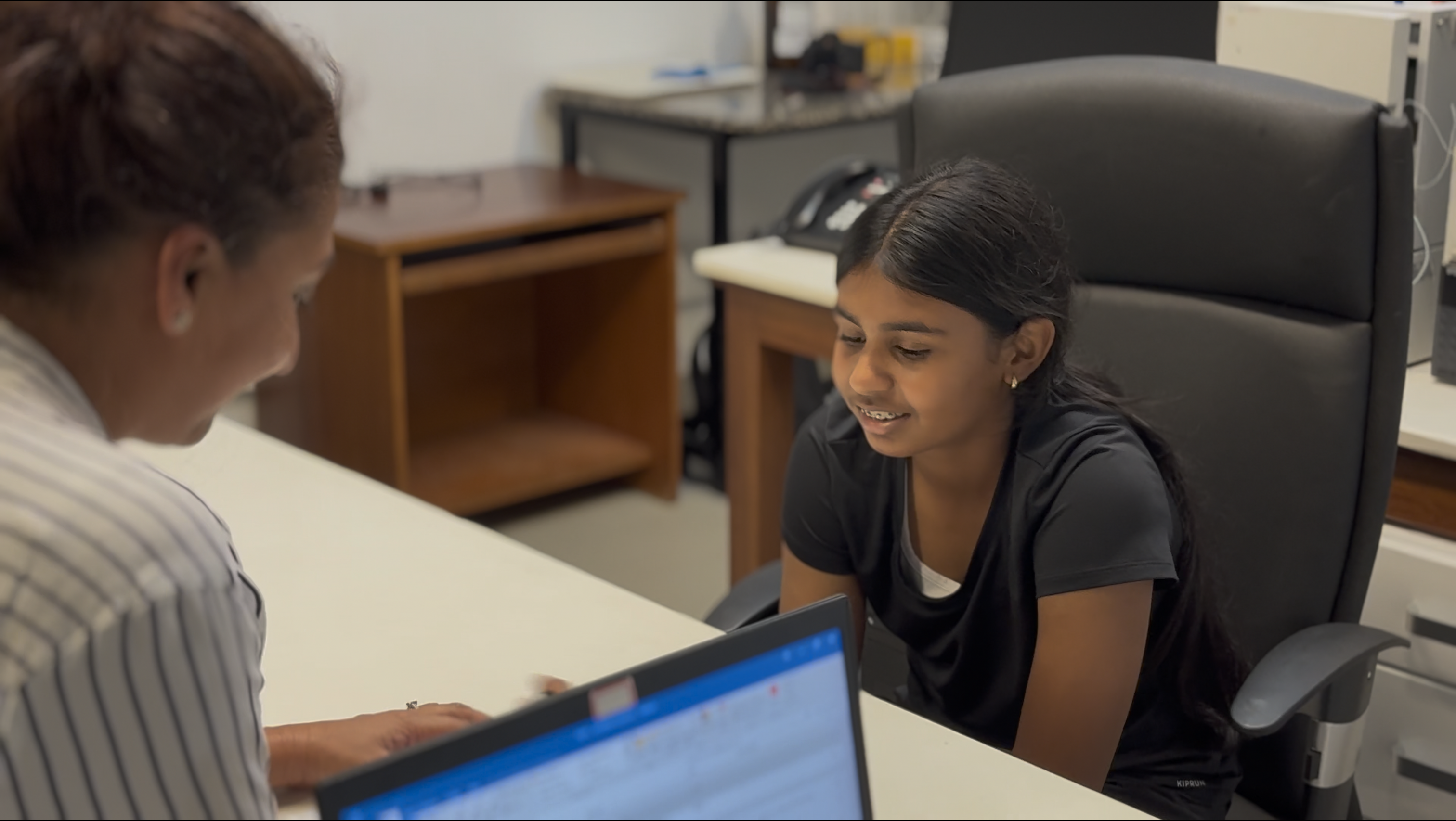
She went to Antarctica. Like actually.
I met Mrs. Prerna Roy, Research Scientist who deserves her own section as she spent about three months on a research ship in Antarctica. Three! Months! She showed me videos, and honestly, it looked like another planet.
She said that, during part of the year in Antarctica, the sun literally does not set. It’s daylight for a full 24 hours. I cannot imagine what that does to your brain. She also explained the special gear she had to wear and how much walking she did every single day.
I want that kind of life. I really, truly do.
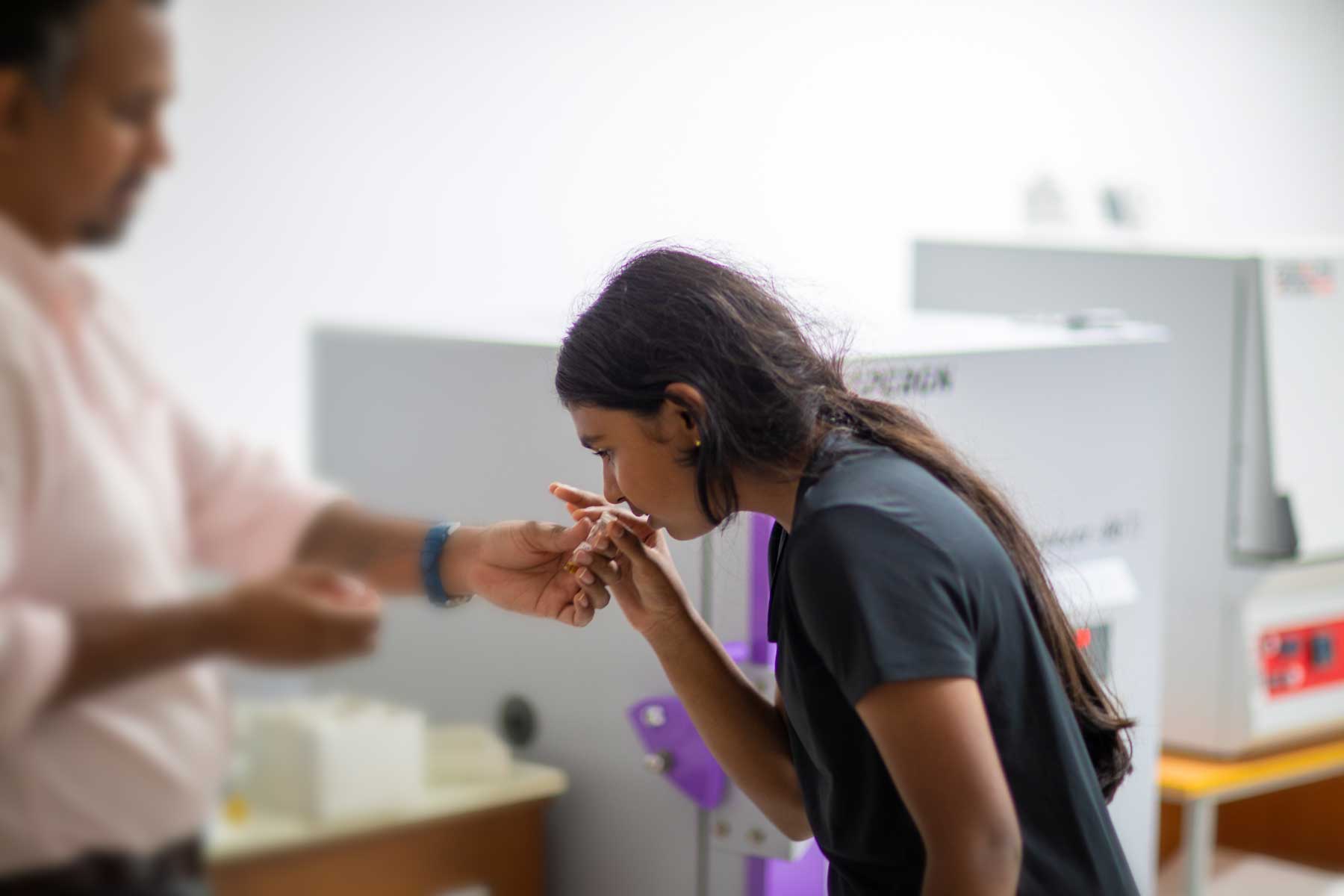
Okay. The fish smell. I have to talk about it.
Mr. Kamlesh Ramdhony, Research Scientist, let me smell fish oil extracted from fish waste. Reader, I was not ready.
But here's the actually cool part: fish waste — the bits that normally get thrown away — gets crushed into a paste, and scientists extract oil from it. The leftover material after the oil is removed still has proteins and nutrients, so it gets used as fertiliser for crops. Nothing gets wasted. The whole thing made me think so differently about what we call "waste."
He also showed me a freezer that goes down to −40°C and walked me through all kinds of microscopes and lab equipment. It felt like being behind the scenes of something really important.
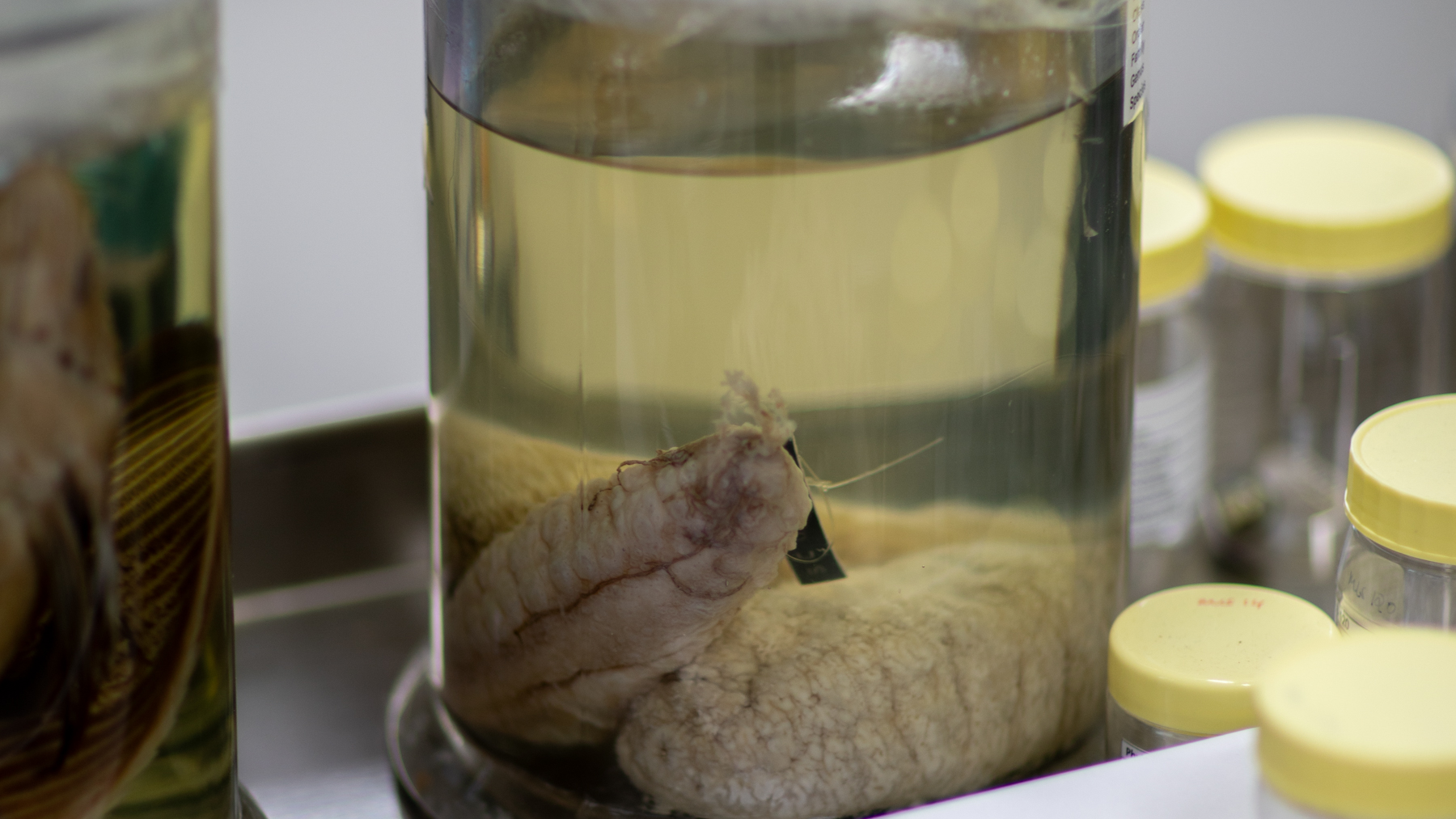
DNA is basically a barcode for animals
Some sea animals look so similar that even scientists can't tell them apart just by looking. So they study their DNA, and it works almost exactly like scanning a barcode at the supermarket. Different species, different code.
They also showed me a sea cucumber preserved in a glass jar that's been sitting there for about 20 years. Samples like that help scientists track how marine life changes over long periods of time.
I'm not the same person I was yesterday
I know that sounds dramatic. But it's true. Before yesterday, the ocean was just the ocean. Now it's this whole living, moving, humming world full of sounds and creatures and electricity and history that we're only beginning to understand.
The people I met at MOI aren't just doing cool things, they're doing necessary things. Protecting coastlines, recording whale sounds, and figuring out how to power our homes with waves. This is happening right here in Mauritius!
And every single person I spoke to was genuinely excited about what they were studying. That kind of energy is hard to fake. It rubbed off on me completely.
If you ever get the chance to visit MOI, go. Just go!!!
Rya
_large.png)